
Acoustic Panel Care: Cleaning and Maintaining Soundproof Wall Panels
Why acoustic panel care decides long-term performance
A soundproof wall panel is specified once and then expected to perform for a decade. In real projects the drift rarely comes from the board itself. Dust that settles into a fibrous face, oily films from nearby kitchens and damp cloths used by a cleaning contractor all change the way a surface absorbs sound energy. An acoustic panel that softened an open office on day one can lose a measurable share of that effect within two or three years, and the fault is usually invisible in a photograph. Keeping an acoustic panel inside its original specification is a maintenance habit rather than a repair project.
Identify the face before you choose a method
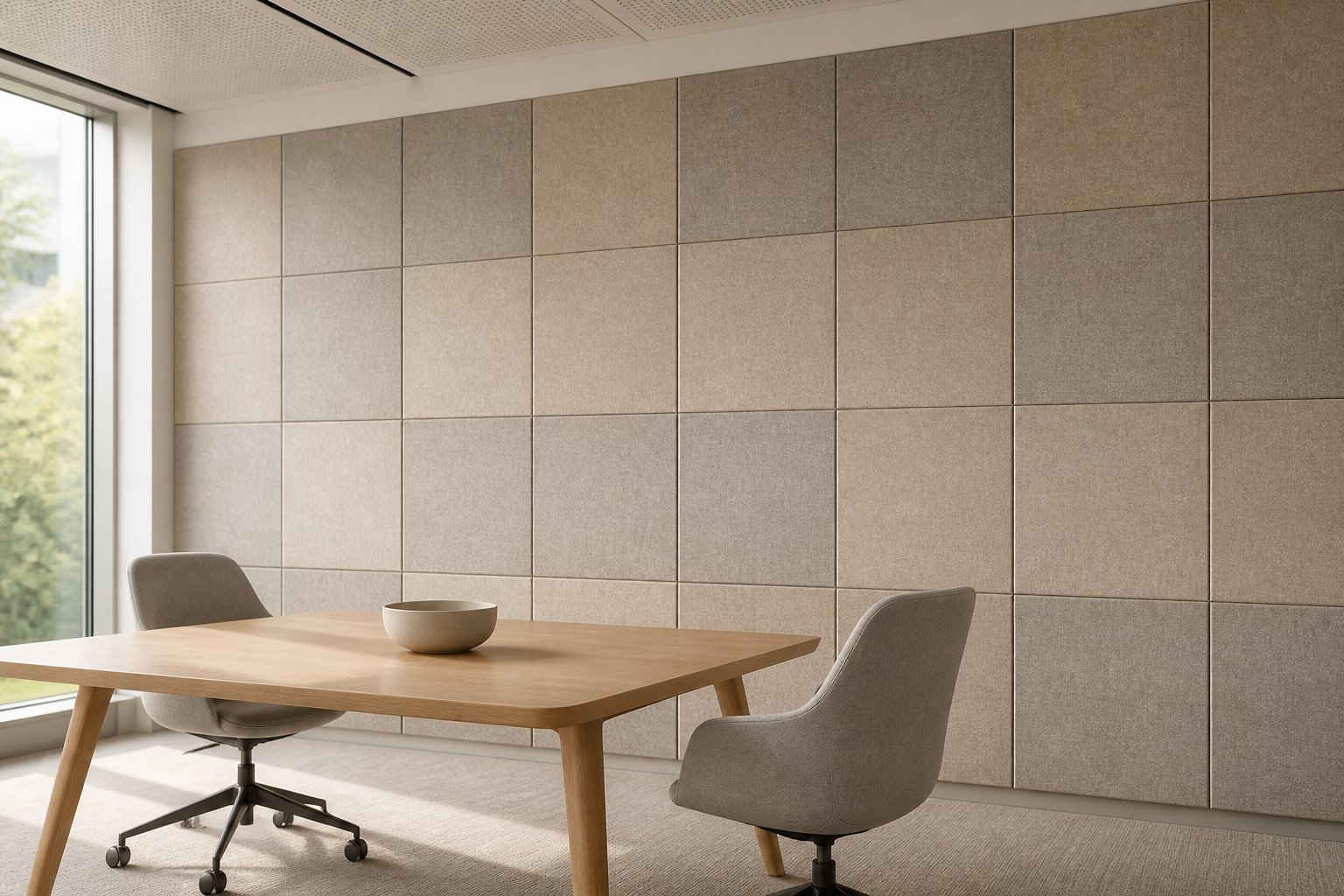
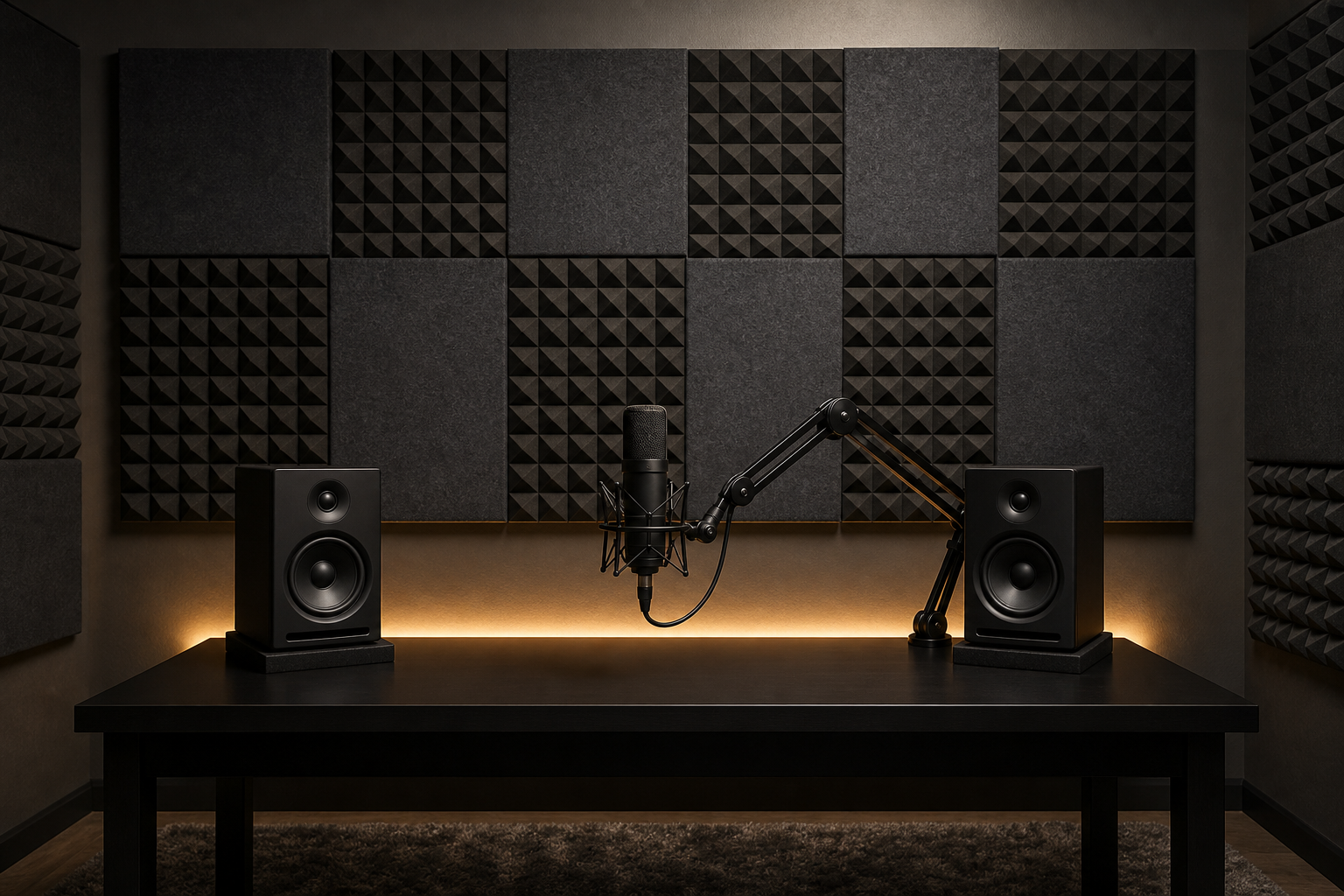
Commercial interiors rely on three families of absorber. PET felt boards have a soft fibrous face and a hydrophobic treatment. Wood slat systems pair a laminated face with open grooves. Fabric wrapped products combine a textile skin with a mineral core. Each acoustic panel type reacts differently to water, solvent and abrasion, so the cleaning routine has to follow the surface rather than the specification sheet. A method that is safe on a lacquered board can mark a felt face permanently on the first pass.
A monthly routine that does not damage the surface
- Vacuum first with a soft brush head on low suction, so dust leaves the grooves instead of being pushed deeper.
- Wipe with a barely damp microfibre cloth and wring it until no water drips.
- Use pH neutral detergent only, diluted well below the maximum on the label.
- Work from the top down in overlapping passes so no tide line forms.
- Let the surface dry completely before furniture or screens are moved back.
For a soundproof wall panel in a school corridor this routine takes under fifteen minutes per hundred square metres. A laminar product with a hard face tolerates slightly more moisture, but it should still never be soaked.
What actually shortens service life
The fastest way to ruin a soundproof wall panel is steam. High temperature steam drives moisture past the face and softens the binder in the core. Abrasive cream cleaners, scouring pads and chlorine bleach follow close behind. Solvent based degreasers are equally risky on felt, because they lift the fibres and leave a permanent halo. In a review of twelve refurbishment projects, surface damage caused by cleaning outnumbered genuine manufacturing faults by more than three to one.
Inspection points worth repeating every quarter
Check the joints first, because an acoustic panel shrinks and swells with humidity and a gap along a seam lets sound bypass the absorber completely. Look for compression marks where trolleys or chairs rub. Confirm that wall fixings have not worked loose behind the board. Where a soundproof wall panel sits next to a door frame, verify that the seal is still continuous, because that edge decides whether the whole wall performs as designed.
What to ask a supplier before ordering
Ask for written cleaning instructions, a sample of the exact face you are ordering, and the acoustic and fire test data for that construction. A supplier who answers those three questions will also tell you which acoustic panel cleaner is safe to use. That single conversation prevents most of the damage described above, and it costs nothing at the sampling stage when you are still comparing quotations.
Wall Panel Trims and Joints: Finishing a PVC Wall Panel Installation
Acoustic Panels for Offices and Schools: Room-by-Room Guide
Related Article
